

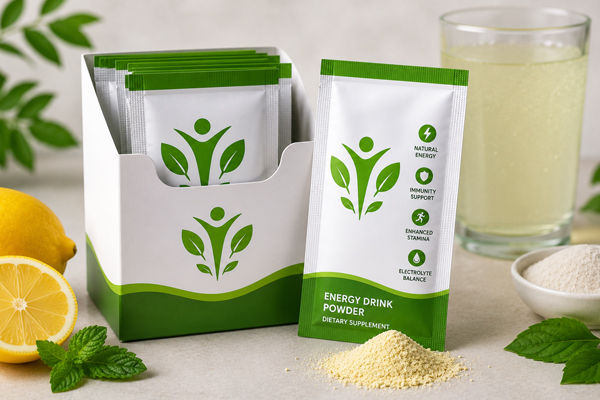
Sachets (also called packets or sticks) are single-serving packets containing pre-measured amounts of powdered supplements.
This packaging emphasizes convenience, portion control, and modern aesthetics—ideal for on-the-go consumers and health-conscious individuals.
Complete Nutraceutical Sachet Product List
| Sr. No. | Product Name | Pack Size |
|---|---|---|
| 1 | VIT- D3 GRANULES FLAVOUR :- AS PER DEMAND ( FOOD APPROVE FLAVOUR |
1 GM SACHET |
| 2 | L-ARGININE 2.5 GM, FOLIC ACID WITH ZINC FLAVOUR :- AS PER DEMAND ( FOOD APPROVE FLAVOUR ) |
5 GM / 10 GM SACHET |
| 3 | PRE-PRO BIOTIC FLAVOUR :- AS PER DEMAND ( FOOD APPROVE FLAVOUR ) |
1 GM / 2 GM SACHET |
| 4 | L-ACETYL, N-CYSTEIN FLAVOUR :- AS PER DEMAND ( FOOD APPROVE FLAVOUR ) |
5 GM SACHET |
| 5 | MULTIVITAMIN & MULTIMINERAL WITH VITAMIN B12 FLAVOUR :- AS PER DEMAND ( FOOD APPROVE FLAVOUR ) |
1 GM SACHET |
| 6 | L –ARGININE 2.5 GM, FOLIC ACID 500 MCG ZINC SULPHATE 7 MG FLAVOUR :- AS PER DEMAND ( FOOD APPROVE FLAVOUR ) |
5 GM SACHET |
| 7 | ORS | 1 TO 21 GM SACHET |
| 8 | ISABGOOL POWDER FLAVOUR :- AS PER DEMAND ( FOOD APPROVE FLAVOUR ) |
1 TO 20 GM SACHET |
What Are Sachets?
Sachets are small pouches containing a single pre-measured serving of powdered supplement, designed to be opened, poured into water or beverage, and consumed.
- Powder Fill: Proteins, electrolytes, supplements, vitamins
- Pouch Material: Foil-laminated paper or plastic
- Sealing: Heat-sealed to ensure freshness
- Labeling: Nutrition facts, usage instructions
- Quantity: Typically 5–50 sachet packs per box
Why Sachets Are Growing
How Nutraceutical Capsules Are Made
Total Timeline: 40 days from raw materials to finished product
- Raw Material Selection & Testing (7 days)
- Formulation & Blending (5 days)
- Capsule Filling (8 Days Depending on Volume)
- Quality Control Testing (15 Days)
- Packaging & Labeling (5 Days)
- Source ingredients from verified suppliers
- Test for purity, potency, microbial contamination
- Confirm ingredient compatibility (will they work together?)
- Documentation: Certificates of Analysis (CoA) for each ingredient

- Mix active ingredients with excipients (fillers, binding agents)
- Verify blend homogeneity (even distribution)
- Stability testing for oxidation/degradation

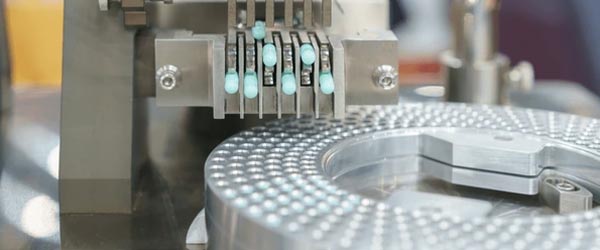
- Feed powder into filling machine
- Machine fills, counts, and seals capsules
- Fill weight verification (±5% tolerance)
- Metal detection (ensure no contamination)
- Weight uniformity check
- Dissolution testing (confirm capsule breaks down properly)
- Content analysis (HPLC – verify potency)
- Microbial testing (Salmonella, E. coli, etc.)
- Heavy metal testing (As, Cd, Pb, Hg)

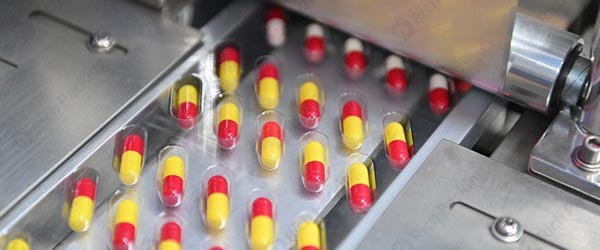
- Pack into bottles, blister packs, or pouches
- Apply labels with nutrition facts, warnings, usage
- Serial numbering for traceability
- Final inspection
Popular Sachet Products
- Protein Powder Sachets: Pre-measured protein powder servings, mix with water/milk/smoothies, post-workout convenience
- Electrolyte Sachets: Hydration during/after activity, sports drink convenience
- Collagen Sachets: Beauty and wellness, skin health focus, mix into beverages
- Vitamin/Mineral Sachets: Daily nutritional support, morning wellness routine, family use
- Greens/Superfoods Sachets: Vegetable and plant powder blends, nutrient-dense, health-conscious positioning
- Meal Replacement Sachets: Complete nutrition in one packet, quick meal solution, travel-friendly
How Sachets Are Made (40 Days)
Sachet Sizes & Configurations
Common Sizes:
- Small (3–5 grams): Vitamins, minerals, herbal blends
- Medium (10–15 grams): Electrolytes, some protein blends
- Large (25–35 grams): Full protein servings
- Extra-Large (40–50 grams): High-volume meal replacements
Packaging Formats:
- Sample Packs: 1–3 sachets (trial/introduction)
- Starter Boxes: 5–10 sachets (first-time buyers)
- Standard Boxes: 20–30 sachets (regular consumption)
- Bulk Packs: 50+ sachets (loyal customers, wholesale)
Quality Standards
FAQs
Properly sealed sachets last 2-3 years depending on contents. Powders with oils may have shorter shelf life.
Foil-laminated paper offers best protection (light, moisture, oxygen barrier) and premium feel. Plastic films are less expensive but offer less protection.
Most heat-sealed sachets are not designed for re-sealing. Once opened, consume product or transfer to sealed container.
Yes, per-serving cost typically 20–30% higher due to packaging. Retail price can be 3–5x higher due to convenience premium.
Tear open sachet, pour into water or beverage, mix until dissolved, drink. Specific instructions vary by product.
Typically 10,000–20,000 sachets for custom formulations. Smaller quantities possible for established formulas.
Sachets packed into cardboard boxes with standard counts (5, 10, 20, 30, etc.). Box design, labeling, inserts customizable.
Store in a cool, dry place (similar to regular powders). Extreme heat or humidity can compromise seal over time.
Not easily. Sachets are designed for powders. Liquid sachets require different manufacturing and materials.